


Picture a VP’s laptop freezing two minutes before a board call. IT service desk phones light up. Support tickets are tagged top priority. The end-user supports steps in, connects safely, and the machine is back online quickly. Calm returns, meeting saved.
Effective end-user support covers the people, tools, and processes that keep every end user productive. Slowly but surely, user support has moved from break-fix to guided experiences with measurable outcomes thanks to secure remote access. RealVNC Connect has been at the forefront of this shift with strong security, cross-platform reach.
Across the next few sections, you’ll find practical workflows, architecture choices, and field-tested tips. These are all designed to turn ITSD and user support from a modern-day fire alarm into a standardized and streamlined experience for end-user support teams. We’ll map tool selection to real scenarios, show how to structure services for speed, and explain what you need to measure to find out what’s working.
You’ll see how better support actually drives customer satisfaction and cleaner business operations within the context of the ITIL service desk model.
What Is End User Support?

End-user support covers the people, processes, and tools that keep people productive wherever they happen to work. In a remote access setting, it means getting user support that can see the problem, guide the fix, and protect data all at the same time.
The scope here includes:
- Incident intake
- Diagnosis
- Resolution
- Follow up
The goals of efficient end-user support are also clear:
- Fast support
- Happy customers
- Smoother business operations
RealVNC Connect sits at the center of the scope and goals, with strong security features and a simple path from session request.
What End-User Support Actually Covers
End-user support is a service that keeps people able to work and perform their tasks. It combines diagnosis, resolution, and follow-up to assist end users when their tools break down or become no longer fit for purpose. The goal is simple: restore productivity fast and capture learning so future fixes are better documented and faster.
Work arrives through multiple channels. Typically, these are portal forms, email, or phone calls to a help desk. A good support system tags each request, sets a priority based on existing rules, and routes it to the queue where team members can be of most assistance. Low-risk issues generally go to self-help. Medium-level issues are routed to ITSD. Urgent outages go straight to infrastructure and dev teams.
Tiering keeps the flow under control. L1 handles common tasks and quick checks. L2 digs into systems and apps. L3 owns code and deep platform work. Handoffs are kept as brief as possible, and notes are concise and clear. A user should never have to tell their story twice.
Strong end-user support services are a mix of people and content. The team maintains a knowledge base with verified fixes. Agents follow troubleshooting steps and share step-by-step guides with their customers. As patterns begin to emerge, it becomes an opportunity to create interactive walkthroughs or short videos, as well as hold explainer sessions to improve the support experience.
End-User Roles and Responsibilities
Within end-user teams, roles are straightforward. Customer service representatives manage intake and set initial expectations. End-user support technicians perform the fix. Support teams coordinate change, track any risks, and report the outcomes.
Measures keep everyone honest and are measured in the following ways:
- First contact resolution (FCR): Percent of issues solved on the first touch.
- Mean time to resolve (MTTR): Average time from ticket open to close.
- Self-service deflection: Percent solved via knowledge base or interactive walkthroughs before a ticket forms.
- Reopen rate: Share of tickets that return after closure.
- SLA attainment: Tickets resolved within target response and resolution times.
- Post-closure user support survey: Quick check on satisfaction and clarity.
- Rolling customer satisfaction trend: Team and queue level view over time.
- Lessons learned: Publish wins, retire bad steps, and update playbooks.
These metrics tie directly to the daily operating principles:
- Clear scope: Define what the help desk owns and what goes elsewhere.
- Consistent triage: Route by impact and urgency so the support system stays orderly.
- Documented playbooks: Keep steps current and easy to follow.
- Useful assets: Make resources and the knowledge base easy for users to find.
- Practical training: Coach new staff on tools, tone, and handoffs.
- Regular reviews: Retire stale content and tune queues based on data.
If teams perform this well, the end user stays productive. The service stays predictable, and leadership will see fewer issues over time and better outcomes across services.
The Evolution of VNC and Remote Access in Effective End-User Support
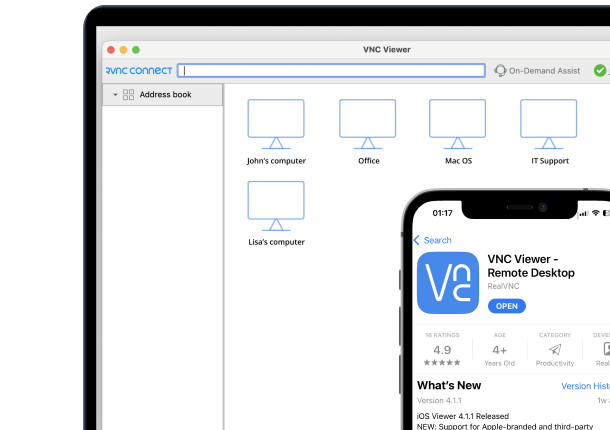
Remote access solutions form a huge part of end-user support operations. Legacy VNC Viewer and Server pairs gave us the first taste of remote control in environments with mixed platforms. Teams could click, type, and support a desktop from across the hall, or even across the world (albeit with a fair share of lag).
Modern platforms refined that start. RealVNC Connect now delivers high-quality performance, a unified application model, and secure guest access that works with today’s hybrid networks and security demands.
Zero-trust thinking also raised the bar for support teams. Access should be precise, and it should be temporary. Sessions should also be auditable. Modern remote access solutions like RealVNC Connect align with the zero-trust approach because they focus on device sessions rather than wide network exposure. The standard gives a useful reference point for architects who build a system around measurable access.
How End-User Support Works in Remote Access

A modern user support team runs a bit like a relay race. Work arrives, the right runner grabs the baton, and the handoff is squeaky clean. In remote access, the goal is the same. Connect the end user device fast, see the issue with your own eyes, resolve issues safely, and record what happened so the next person can fix it faster.
The Remote Access End-User Support Experience
The flow starts with intake. Support requests arrive through multiple channels, such as the user portal on your ticketing system, chat, email, or a phone call. Service desk teams that can supply a “first-time fix” do so. Otherwise, they escalate the issue by prioritizing it and assigning it to the correct queue. A good queue keeps users informed within set time targets so problems don’t back up and cause backlogs.
Authentication comes next. Team members authenticate with internal credentials, and external vendors authenticate with a short code rather than having an account created for them.
RealVNC Connect enables this flow with Code Connect. The device owner generates a short, auto-expiring session code and shares it with the technician. The technician enters the code to start a scoped, one-time session with clear permissions and user consent. The code is one-time, so access ends when the session ends.
Recording and file transfer all follow internal IT policy, and every action is tied to a named account for audit. For the support team, this means immediate assistance is given without standing up permanent accounts or widening access for third-party vendor support.
Triage follows. The agent confirms the issues the end user is having, checks logs, and runs quick tests. Simple technical issues get quick wins, while complicated ones move to the right tier with a clear summary of troubleshooting steps followed. In this way, the support baton never gets dropped.
Remediation is the hands-on part, which can easily be facilitated through remote access. The technician adjusts settings, restarts services, or guides the user through the steps required to resolve the issue. The screen sharing and control, file transfer, and the ability to click through UAC prompts are all handled by the remote access solution. If a change needs approval, pause and record it. After the change control is approved, it’s just a matter of connecting through another remote session to remediate the initial request.
Resolving Remote Complex Issues Securely
Enterprise work brings complex issues that demand controls. Limit session rights only to the task at hand. Record who connected, and for how long. Export logs to SIEM where required. If your auditors like tidy logs, give them tidy logs.
RealVNC Connect removes a lot of manual effort. Cloud-brokered remote sessions use outbound connections, so there’s no inbound port-forwarding to the manager, and no firewall holes beyond allowing access through proxy servers. It works across firewalls, NAT, and CGNAT, which means technicians reach endpoints without needing to change or create perimeter rules.
Along with Code Connect, this reduces exposure and keeps technical issues from turning into network projects. Authentication stays strong with named sign-in and optional MFA. Traffic is encrypted end-to-end, and the broker coordinates who can see what, then steps out of the way while you concentrate on resolving issues.
For restricted networks, the on-premise Management Console runs inside your environment and centralizes accounts, devices, license usage, and activity. Audit shows who connected to which device and for how long, and enables CSV exporting for reports and investigations. If you need central logging for compliance, forward events to SIEM using Windows Event Viewer, syslog on Linux, or Elastic Stack to keep a single source of truth.
The outcome is simple. There are fewer moving parts, faster fixes, and cleaner evidence.
Key Benefits and Use Cases
Remote access should feel streamlined and a part of the end-user experience. RealVNC Connect helps support teams deliver quick fixes, clean audits, and most importantly of all, calm users.
Secure guest access starts sessions fast. File transfer allows technicians to drop in the configs and tools they need, and screen sharing lets support teams view the problem with real-time collaboration with the user. The payoff is higher customer satisfaction, smoother business operations, and a better end-user support experience.
Below are industry sectors where remote access solutions can make a huge difference for both the users and the support teams.
Manufacturing
Any line stop is incredibly expensive, but the safety of support teams comes first. Manufacturing technicians can use RealVNC Connect to access PLC workstations remotely and restore flow. Plants gain operational efficiency without needing to bring the factory floor to a screeching halt.
Healthcare
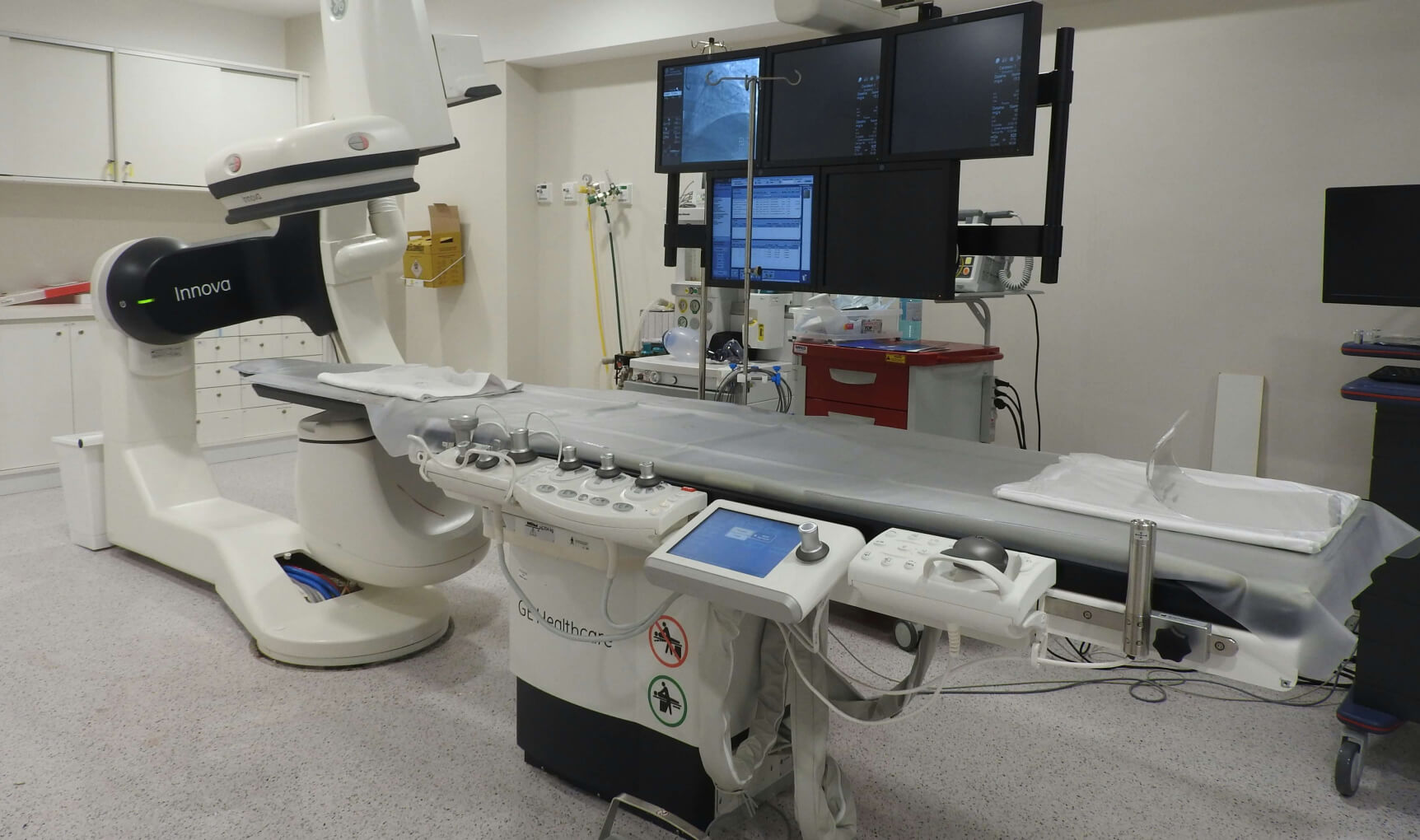
Clinicians need responsive support that doesn’t block care. Hospitals need audit-ready access logs and strong session security. Analysts can securely remote into PCs connected to imaging carts, nursing stations, and physician workstations to resolve tickets while maintaining compliance with HIPAA standards.
Energy and Utilities
Control rooms require tight access, and SCADA networks are typically air-gapped. On-premises governance and audit help teams meet policy, while field workers who are in remote locations get the same level of support as those in the office.
Education
Schools and universities often reside in huge campuses. With RealVNC Connect, technical support teams can remotely access teachers’ devices and classroom PCs with OEM white-label tools that match institution branding—all without having to physically walk to the location.
MSPs
Teams working for service providers need to handle many customers at once, so the toolkit needs to cut steps, not add them. Named access, device inventory, and exportable logs keep services tidy across tenants. RealVNC Connect integrates with Acronis Cyber Protect Cloud, enabling MSPs to initiate RealVNC sessions from the Acronis console and work from a single pane. This simplifies user support for multi-tenant fleets.
Best Practices and Considerations for End-User Support Services
Good end-use support should look calm on the surface, but be busy behind the scenes. Teams should build clear paths for escalation, train often, and watch for any signal that queues are getting out of control. In terms of remote access security, use multi-factor authentication, set sensible session timeouts, and review access regularly.
A unified application for client and server installs simplifies deployment for support teams and keeps update cycles predictable. RealVNC Connect’s latest version combines the server and client into one application that allows configuration of incoming and outgoing VNC services while applying a single policy set.
Beyond deployment and management, here are the best practices that align with modern end-user support and IT operations.
Knowledge Base (KB) and Step-by-Step Guides:
Keep answers where users and technicians will look first. Publish only verified troubleshooting steps, short step-by-step guides, and bite-sized articles that deliver quick answers. Write for the perspective of the screen being shared, not a textbook.
Digital adoption and interactive walkthroughs: Pair your KB content with interactive walkthroughs, in-app walkthroughs, and simple pop-ups. Offer contextual help when users actually need it, not five clicks later.
Help desk runbooks for complex problems: Give your IT service desk repeatable plays with routine tasks like password resets, fixing problems, and safe escalation of complex problems. List the right resources, the correct tools, and who to call.
Governance, audit, and external stakeholders: Always keep accountability tight. Named viewer sign-in should tie actions to people. For external stakeholders and SIEMs, export reports using RealVNC Connect’s audit guidance. Review your security features often and update policies as your stack adapts and changes over time.
Bring End-User Support Full Circle
Modern, secure end-user support keeps the work moving and trust high. With RealVNC Connect, teams deliver effective end-user support that scales with the growth of your organization, whether your sessions are cloud-brokered or full on-prem.
The result is faster user support, cleaner audit trails, and a support experience that’s smooth for both teams and end users.
If you want to see how the pieces fit together in your environment, start a short pilot or jump to a conversation with our specialists.
Book a quick call and find the right remote access services for your users and support teams.
FAQs
What makes RealVNC Connect different from legacy VNC solutions?
Cloud-brokered connections make remote help practical when teams and users are scattered across cities and time zones. Sessions start over outbound traffic, so technicians connect through firewalls and CGNAT without rewiring the network. A unified app covers Windows, macOS, and Linux, which keeps deployment tidy. For sites that must stay offline, an on-prem option delivers the same audited control inside your own environment.
How does secure guest access work in RealVNC Connect?
The end user generates a short-lived session code in RealVNC Connect and shares it with the support technician. The technician then enters this code to initiate a scoped, one-time session with defined permissions and full audit logging. The code is one-time, and access ends when the session closes, with session recording available for audit.
How can organizations ensure compliance and data security in remote support?
Tie every action to a person, capture audit logs, and export to CSV for reviews. Forward events to your SIEM via Event Viewer, syslog, or Elastic Stack. In restricted networks, keep control on site with the On-Premise Management Console and retain evidence inside your environment.