



Digital signage has quietly slipped into our everyday life, and half the time, we don’t even realize how much we rely on it. In fact, the latest research has found that digital signs capture 400% more views than static signs. Yet, dynamic content display is not just about flashy screens anymore; it’s about solving real problems. Whether it is helping patients figure out where to go in a hospital or ensuring students receive safety alerts on time, each real-life situation demands a unique choice between digital signage and traditional signs.
What Is Digital Signage vs Traditional Signage?
In simple terms, digital signage is any electronically screen-based communication system that utilizes digital displays, media players, software, connectivity, and update workflows to deliver multimedia content, such as images, videos, and real-time data. By contrast, static signage refers to any fixed visual asset made from printed displays such as posters, banners, billboards, and painted boards.
While digital signage is considered the evolution of static signage, it is not necessarily superior. In most cases, traditional static signage can be stronger for permanent branding, simple wayfinding, outdoor notices, or low-power locations. It is essential particularly in industries where constant updates aren’t required, such as real estate or outdoor branding campaigns.
Still we must point out that maintaining traditional signs can be costly and labor-intensive, often requiring periodic repainting or repairs due to exposure to weather and wear, while digital signage typically requires only occasional software updates and monitoring.
Key Components of Digital and Traditional Signage
Digital and traditional signage have their building blocks, which business should consider when making a choice.
Digital Signage Platforms and Hardware
Digital signage solutions consist of the following;
- Hardware: Consisting of projection, LED, or LCD screens, media players, and mounting gear. Certain high-end systems call for screens with integrated media playback capabilities, also known as system-on-chip (SoC) displays.
- Software: A Content Management System (CMS) that generates, schedules, and modifies content on various devices.
- Connectivity & Integration: Digital signage systems are often connected via Wi-Fi, Ethernet, or even 4G networks.
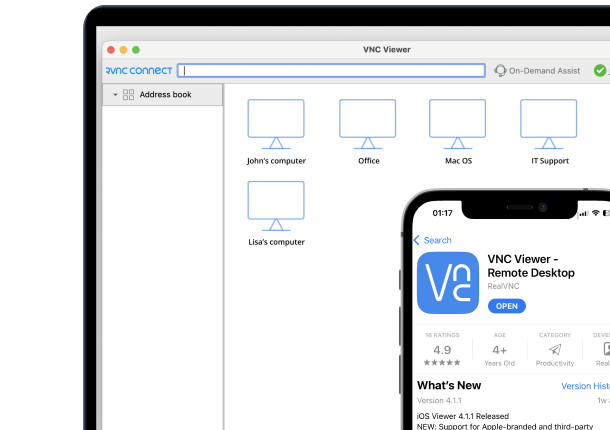
- Remote Access & Monitoring: This is the component that keeps your digital signage system running when the lights fade. It is where Real VNC Connect is making a difference, helping clients like Reji monitor hundreds of live-monitoring portals with just a few clicks.
Traditional Signage Media and Workflows
The workflow of traditional signage media includes:
- Creative approval
- Proofing
- Material selection
- Printing or fabrication
- Shipping
- Installation
The final results could be in the form of posters, banners, window graphics, wall signs, directional signs, menu boards, billboards, and regulatory notices.
Digital Signage vs Traditional Signage: Core Trade-Offs
The argument on digital vs traditional signs is not a simple upfront comparison. A brand’s choice between these options will often depend on message change frequency, audience value, operating environment, measurement needs, and the organization’s ability to manage the technology behind digital screens.
Cost, Maintenance, and TCO Differences
The table below sums up the total cost for digital signage vs traditional signage.
Digital signage
| Digital Signage Systems Components | Price Notes and Descriptions |
|---|---|
| Screens | Depending on your choice between commercial displays and consumer TVs, it falls between $300 and over $20,000. |
| Mounts | This is heavily dependent on the type, mounting format, and commercial-grade requirements, ranging between $20 and $1,500 per screen. |
| Media Players | Depending on the hardware tier and processing capabilities required, it costs anywhere from $30 to over $1,000. |
| Installation | Labor costs between $75 and $150 per hour depending on the setup technicality for each screen. |
| Content Production | If you’re using DIY templates, then the cost is tremendously reduced to around $1,000, but to hire a cinematic agency, you can spend as much as $18,000. |
| Remote Support Overhead | Using robust tools like the Real VNC Connect makes this cheaper, ranging from $8.25 to $29.75 per active connection, per month. |
Traditional Signage
| Traditional Signage Workflows | Price Notes and Descriptions |
|---|---|
| Design | This depends on scale, materials, and complexity, ranging between $50 to $200 per square foot. |
| Printing | Based on material, size, and application, prices range from $15 to $500. |
| Fabrication | Also depends on scale and complexity, costing from $100 to $10,000. |
| Shipping & Transportation | Typically costs between $10 and $1,000 |
| Reprint | Costs between $10 and $100. |
Flexibility, Targeting, and Measurement Differences
Beyond upfront costs, businesses must factor in other trade-offs. For one, while digital signage offers control and security, traditional signage delivers clarity, permanence, and fewer technical dependencies to the middle ground. Digital signage also allows breakfast, lunch, evening, weekday, or event-specific messaging without replacing physical assets, unlike traditional signs. Organizational and IT support teams can even set dynamic triggers for weather-based promotions, queue updates, emergency alerts, or live transport information.
Real-World Examples of Digital and Traditional Signage
For small brands, physical signs anchor their presence and build recognition. Picture a well-designed storefront sign for a retailer; not only does it help customers identify their business, but it also communicates professionalism and stability.
Yet, studies show that digital signs can increase customer footfall by up to 23% and boost sales by up to 25%. This is why in quick-service restaurants, digital signage is a critical technology. Imagine yourself in a pizza shop. Are you more likely to buy a slice of pepperoni pizza if you see dazzling, moving imagery of a steaming fresh pepperoni pizza, or the word “pepperoni” on a poster? The answer is obvious.
Still, we must point out that digital signage systems are not stand-alone technologies. For secure operation, you need effective remote management software like the Real VNC Connect to monitor signage endpoints, assist media players, or support local staff without contacting an expert.
Where Digital and Traditional Signage Work Best
Many businesses use both digital and traditional signage strategically in some situations.
Retail, QSR, and Customer-Facing Venues
Picture this: Your QSRs and retail outlets maintain a strong storefront identity and branding through traditional signs while having screens that can easily swap out advertisement creatives for seasonal campaigns.
Campuses, Healthcare, and Public Facilities
Now picture a commercial airport: You will find several print advertisement media, as well as a flight schedule screen showing takeoff times. These are areas where digital and traditional signage work best and are an independent unit in a functioning ecosystem.
Future Trends in Digital and Traditional Signage
Some of the key areas to watch for in digital and traditional signage include:
- Growing Programmatic DOOH: Automation and AI-driven programmatic advertising will redefine how brands purchase and display content on digital signage.
- Energy Usage Auditing: Nowadays, LED lighting has become a preferred choice because it can reduce energy consumption by up to 80% compared with fluorescent or neon lighting. This mirrors a shift where companies in the signage industry aim to improve energy efficiency, lower operating costs, and reduce overall emissions.
- Heavy Focus on Data: Digital signage platforms often include analytics that allow businesses to gather data on content performance, such as dwell time and interaction rates, enabling data-driven optimization of messaging strategies.
- Growing Remote Support Needs: Organizations and IT teams are gearing towards tools like RealVNC Connect, and the reasoning is obvious. Picture this: With a single login, marketing and IT teams can instantly deploy menu updates to every café nationwide, launch synchronised campaigns across dozens of retail sites, or trigger emergency messaging in response to real-time events.
Risks of Digital and Traditional Signage
Traditional signage risks include external factors such as weather and vandalism. Even worse, the total cost of ownership for traditional signage can grow significantly over time due to recurring design, printing fees, and labor for installation and removal, whereas digital signage has minimal long-term content update costs.
The risk digital signage poses is in the form of unauthorized access to CMS systems, which can cause tampered displays or brand damage. If your system uses cameras or analytics, it may carry privacy compliance obligations. This is why, aligned with NIST CSF 2.0 and ISO/IEC 27001:2022 guidelines, best practices for organizations with digital signage systems include: MFA, role-based access, least-privilege permissions, and audit logs for CMS and remote access.
Hence, platforms like Real VNC have become indispensable to organizations adopting digital signage systems. They support authorized remote troubleshooting sessions for signage endpoints with session-level encryption, MFA enforcement, RBAC, and audit logging when review needs pop up.
Best Practices for Digital Signage vs Traditional Signage
Some of the recommended practices in setting up digital or traditional signage include:
- Consider the message lifecycle when choosing between digital signage vs traditional signage.
- Calculate the TCO involved for each component, as we stated above, and not just the purchase price or repair costs.
- Use hybrid signage in areas that require permanent identity and regular updating prices.
Conclusion
It is now clear that unlike traditional signage, which relies on static images and cannot collect data, digital signage provides measurable feedback that helps advertisers assess the effectiveness of their campaigns. Yet when deciding between digital vs traditional signage, business owners need to consider their specific needs, budget, and customer engagement target. A combination of static and digital signage may also be an effective strategy for businesses looking to maximize their advertising impact.
FAQs
What Is the Main Difference Between Digital and Traditional Signage?
Digital signage is the use of screens, media player hardware, and a CMS to display updated content, while traditional signage adopts printed or static materials such as posters, banners, decals, and wayfinding signs.
Is Digital Signage More Expensive than Traditional Signage?
For an initial investment, digital signage comes with a higher CAPEX, especially factoring in the cost of screens, LED display panels, media players, CMS subscriptions, installation, and electricity. However, traditional signage may incur more OPEX due to reprints and expanding messaging requirements.
When Is Traditional Signage Better than Digital Signage?
In situations where simplicity is the focus, like in permanent wayfinding, regulatory notices, and low-traffic areas, traditional signage is often the right choice.
How Do You Measure ROI for Digital Signage?
To determine the ROI for digital signage, you need to factor in sales lift, reduced print costs, faster content refreshes, proof-of-play logs, audience engagement, and improved operational efficiency.
Can Digital and Traditional Signage Work Together?
Like in most modern retail campaigns, a hybrid signage strategy is often the most practical choice for organizations that need permanent identity and updating content.